
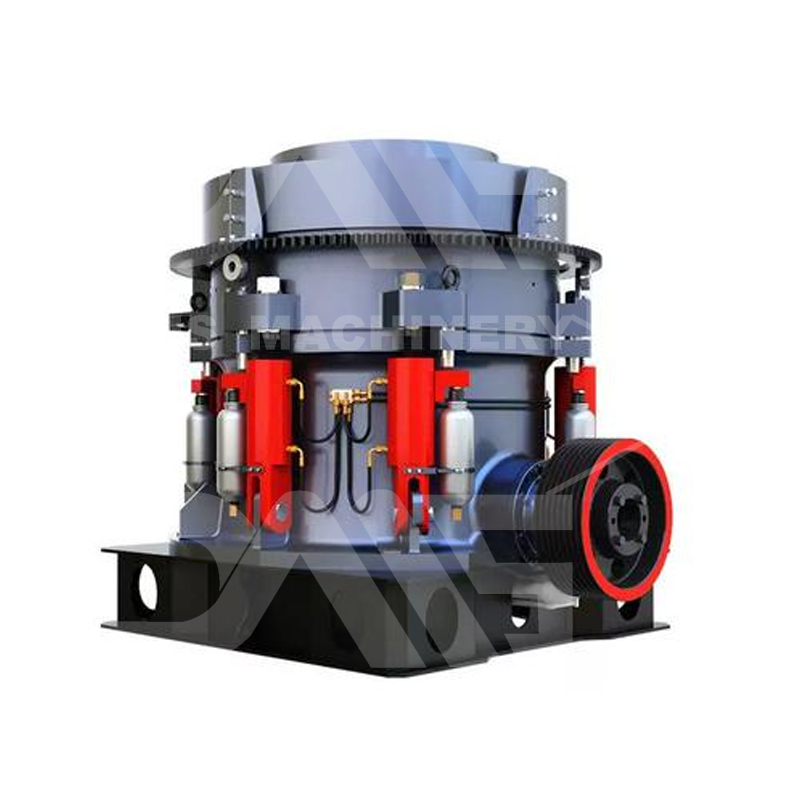
Multi-cylinder hydraulic cone crushers are widely used crushing equipment, suitable for medium and fine crushing operations of hard rocks such as basalt
and granite, as well as metal ores such as copper ore and gold ore.
The basic structure of a multi-cylinder hydraulic cone crusher consists of the following main components:
Motor: As the power source, it drives the operation of the entire crusher.
Transmission shaft: Connects the motor and the crusher, transmitting power.
Gear: Includes large bevel gears. These bevel gears are used to change the rotation direction of the transmission shaft and transfer power to the eccentric
sleeve.
Offset sleeve: Rotates around the main shaft, driving the moving cone to perform a swinging motion.
Fixed cone: Fixed on the frame and forming the crushing chamber together with the moving cone.
Rotary cone: Installed on the eccentric sleeve, it performs a swinging motion as the eccentric sleeve rotates, working together with the stationary cone to
break the material.
The multi-cylinder hydraulic cone crusher adopts the layered crushing principle. The specific working process is as follows:
Start-up: After the motor is started, it drives the eccentric sleeve to rotate through the V-belt, the transmission shaft and the bevel gear pair.
Swing motion: The rotation of the eccentric sleeve causes the moving cone to perform a swing motion under its drive. The rotation path of the moving cone
is elliptical.
Crushing process: The materials enter the crushing chamber through the feed port of the crusher. The mutual approach and separation of the moving cone
and the fixed cone squeeze and grind the materials for crushing.
Discharge: The crushed materials are discharged through the gap between the fixed cone and the moving cone, that is, they are expelled from the discharge
port into the machine chamber.
 The basic structure and workin
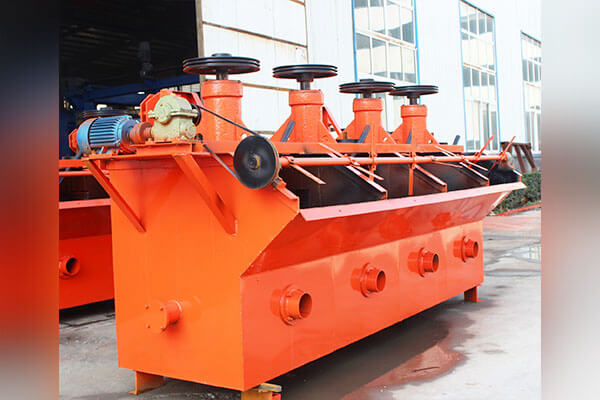
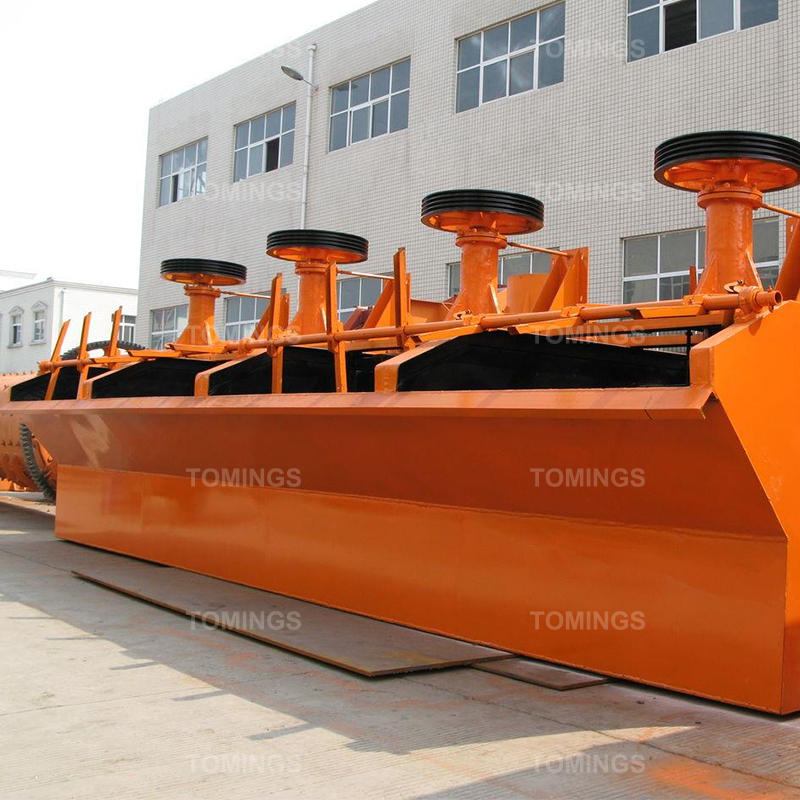 Principle of flotation machine
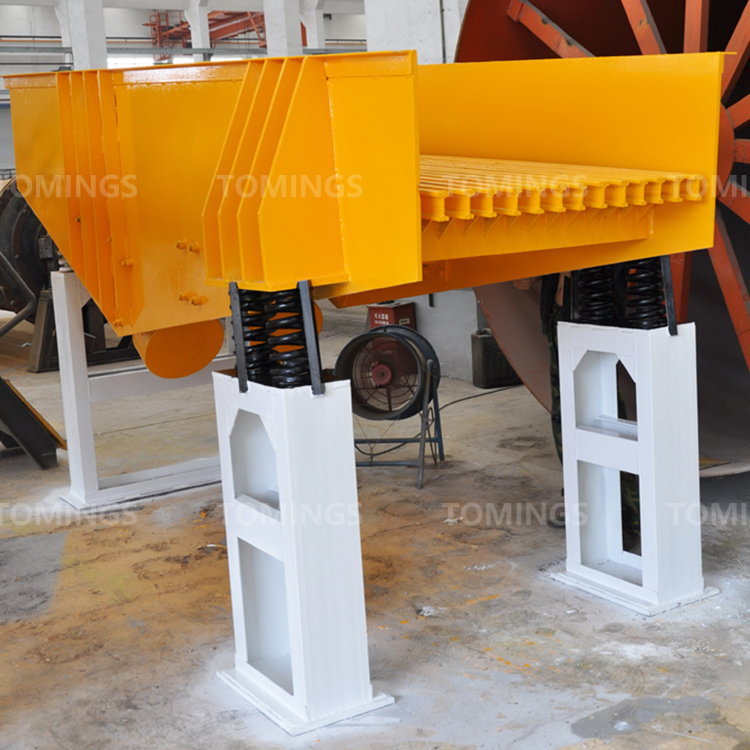 Vibrating feeder
 Development trend of flotation